Related Industries
Curation by industry experts
Hot Articles
Popular Tags
Selecting Uninterruptible Power Supplies for Data Center Loads
Selecting Uninterruptible Power Supplies for data center loads requires more than comparing nameplate capacity and efficiency ratings. Technical evaluators must consider workload demand, redundancy, battery autonomy, power quality, maintenance access, and compatibility with the facility’s electrical architecture. AI computing adds further complexity: high-density equipment and variable load profiles can change what the UPS must support and how quickly it must respond. The right selection begins with the load and the operating conditions, not a preferred equipment size.
Start with the load the UPS will actually carry
A facility’s utility allocation, total electrical capacity and protected IT load are not interchangeable figures. Before requesting quotations, identify which equipment will sit downstream of each UPS: servers, storage, network devices, controls and any cooling components that require uninterrupted power. A coolant distribution unit, for example, may be essential to continued operation, but whether all or part of it belongs on UPS power depends on the cooling design and the consequences of a short interruption.
Build the load model from measured demand where possible, then distinguish normal operating load, credible peak demand and planned design capacity. Rack nameplate figures are useful for checking equipment limits, but simply adding them can produce a misleading result if the intended configuration and operating behavior are not understood. Equally, sizing around an average reading leaves little evidence that the system can handle a coordinated workload change.
For an AI cluster, ask the IT team how jobs start, pause and restart, and whether power capping is configured and enforceable. Training and inference can produce different demand patterns, but neither label is a substitute for measurements from the proposed hardware and workload. Request data at a time resolution capable of revealing short changes; a long-interval average can conceal transients relevant to UPS and generator performance.
Keep both real power, measured in kW, and apparent power, measured in kVA, in the assessment. The UPS must accommodate the load’s power factor and the manufacturer’s operating limits, not just its kW rating. Check phase balance, harmonic current, overload duration and any derating associated with temperature, altitude or the proposed operating mode.
Follow the power path through a failure
A UPS module can be redundant while the path around it is not. Draw the route from the incoming supply through switchgear, UPS, bypass, distribution and rack power supplies. Mark shared breakers, controls, battery strings, cable routes and maintenance points. Then trace what happens when each significant component is unavailable, including during planned work.
An N+1 arrangement can provide spare capacity within a defined group, but it does not automatically protect against a common upstream fault or a shared distribution failure. Similarly, dual-corded IT equipment benefits from independent A and B paths only if both paths are genuinely separated to the required extent and each can carry the load after the other fails. Confirm that rack power supplies, transfer devices and branch circuits are sized for that loss-of-one-path condition.
Maintenance is where attractive one-line diagrams often become less reassuring. Ask whether a module, battery string or bypass component can be isolated and serviced without exposing the load to an unacceptable risk. The answer depends on the specific topology and switching procedure, not simply on the presence of a maintenance bypass.
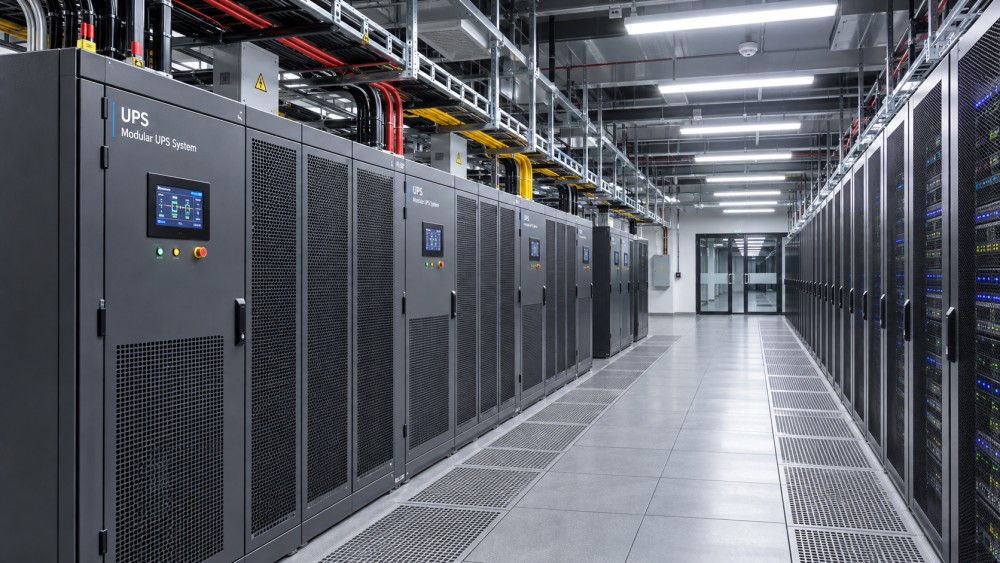
A useful review diagram shows normal power flow alongside the routes used during utility loss, UPS failure and maintenance. Include the generator connection and the cooling loads required to keep protected equipment operating. That makes shared dependencies visible before equipment is ordered.
Choose the operating mode as carefully as the topology
Online double-conversion UPS systems continuously process power through their conversion stages in normal operation. They are often considered where isolation from input disturbances and a tightly controlled output are priorities, although their actual performance must be checked against the manufacturer’s specification and the site’s requirements.
High-efficiency or economizer modes may reduce conversion losses by using a different power path under suitable conditions. The trade-off is not captured by a single efficiency percentage. Examine the transfer behavior, disturbance thresholds and conditions that cause the system to return to double conversion. Confirm that the IT power supplies and other connected equipment can tolerate the resulting behavior.
Static bypass is another area requiring close attention. A UPS may transfer load to bypass under certain overload or fault conditions, but bypass availability depends on the source, synchronization and system design. The bypass path may not offer the same conditioning or protection as normal inverter operation. Review fault-current levels and protective-device coordination with the electrical engineer rather than assuming the UPS resolves every downstream fault.
Set battery runtime against the recovery plan
Battery autonomy is a bridge to a defined outcome: generator support, transfer to another source, controlled shutdown or another documented response. A runtime figure is meaningful only when tied to a load, battery condition, temperature and end-of-discharge criteria. Request calculations for the expected load and the required end-of-life condition, not just a new-battery demonstration at a convenient operating point.
The generator sequence deserves particular scrutiny. The UPS must support the load while the generator starts, stabilizes and accepts it. The generator and upstream equipment must also accommodate UPS input behavior, load steps and battery recharge after an outage. A design that works on paper can still struggle if recovery assumptions are not tested as a system.
Valve-regulated lead-acid and lithium-ion batteries involve different choices around footprint, monitoring, replacement, environmental controls and fire-safety provisions. Neither chemistry should be selected on advertised service life alone. Review the complete battery system, including its management and protection equipment, installation requirements, warranty exclusions, inspection regime and local code approval. Confirm who is responsible for monitoring alarms and what happens when a battery string is isolated for service.
Longer autonomy also has a cost beyond the cells themselves: floor space, structural loading, protective devices, installation and replacement planning can all change. If the real objective is to ride through generator start, buying substantially more runtime without examining those consequences may be a poor use of capacity. If a controlled shutdown is the objective, however, the IT team must demonstrate that the shutdown sequence can actually finish within the available time.
Compare efficiency at the load and mode you expect to use
A headline peak-efficiency number says little about a system that will spend most of its life lightly loaded or operating with reserve modules online. Request efficiency curves for the proposed configuration, including the intended operating mode, expected loading and relevant redundancy arrangement. Identify whether the figures cover only the UPS conversion equipment or also include battery charging, controls and other supporting losses.
Those losses become heat that the facility must remove. A larger UPS room or additional cooling capacity may be needed even when the IT load is unchanged. Compare energy use and cooling implications over the expected operating profile, while keeping the calculation boundary visible. A UPS efficiency claim alone does not establish a facility’s power usage effectiveness.
Modular equipment can help match installed capacity to growth and simplify replacement of a failed module. It is not automatically the least expensive or most resilient choice. Check the capacity of the shared frame, bypass, controls and distribution, as well as the effect of a module failure on the remaining units. Also ask whether future modules will remain compatible and available when expansion is needed.
Turn the shortlist into a testable procurement decision
Comparable quotations require a common design basis. Issue the one-line diagram, load profile, redundancy objective, required autonomy and site conditions with the request. Vendors should state their assumptions and identify any exclusions rather than filling gaps with different interpretations. The following evidence is particularly useful when two proposals look similar on nameplate capacity:
- Output capability across the specified load range, including overload limits, power factor and applicable derating.
- Battery runtime calculations at beginning and end of the specified service condition, with recharge requirements.
- Operating-mode descriptions, transfer conditions and limitations for inverter, bypass and generator operation.
- Efficiency data at representative loads, with measurement boundaries and module configuration stated.
- Maintenance clearances, isolation procedures, replacement parts and local service-response commitments.
- Delivery scope and schedule for the UPS, batteries, switchgear interfaces, controls, commissioning and training.
Ask for a commissioning and integrated-systems testing plan before signing the purchase order. Factory evidence is useful, but it does not replace site verification of wiring, controls and interactions with the generator, switchgear and monitoring system. Agree on test loads, acceptance criteria, safe operating procedures and responsibility for correcting failures. Where a full-load or failure test is impractical, document the limitation and the alternative evidence.
Finally, separate planned expansion from available capacity. A reserved utility allocation or an empty UPS frame does not mean additional IT load can be energized: upstream supply, batteries, distribution, cooling and commissioning may all constrain the next phase. The strongest proposal is the one whose capacity and failure behavior can be demonstrated at the intended site—not the one with the largest number on its front page.
Questions about data center smoke detection standards? Contact RackLedger for further insights.
We respect your privacy. Your information is strictly confidential.
Recommended News
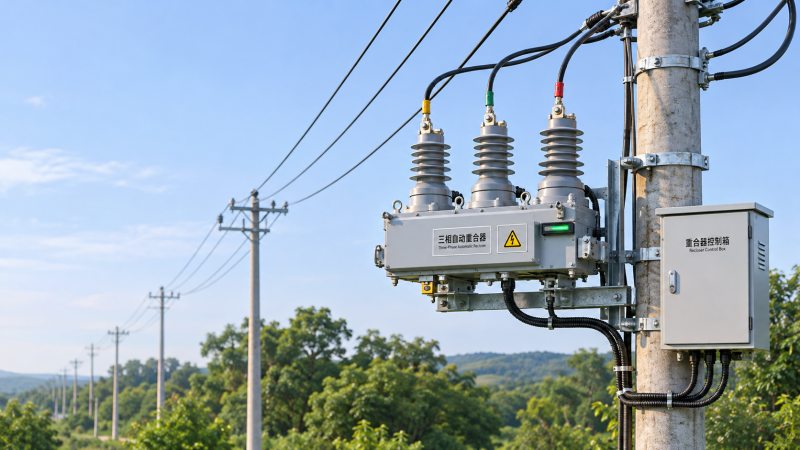
 How Automatic Reclosers Restore Power After Transient Line FaultsAutomatic Reclosers restore power after temporary line faults. Discover how reclosing sequences, protection settings, and lockout support grid reliability.Nov 04, 2026
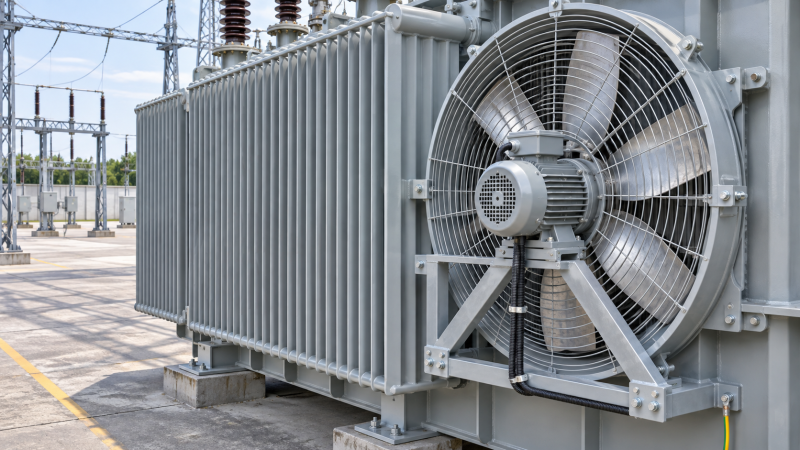
 Why Transformer Cooling Fans Fail and How to Diagnose Common FaultsTransformer Cooling Fans not working as expected? Learn how to diagnose common faults, check airflow and controls, and restore reliable cooling safely.Nov 04, 2026
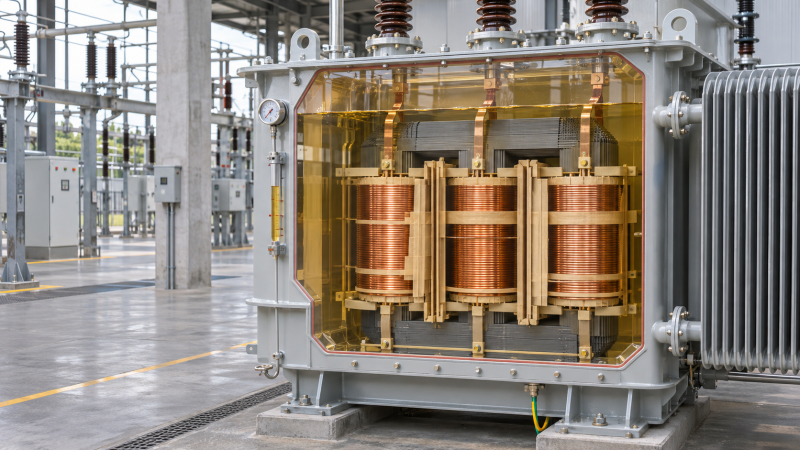
 What Is Transformer Oil? Insulation and Cooling Functions ExplainedTransformer oil supports electrical insulation and cooling. Discover how it works, how it is tested, and why its condition matters for power reliability.Nov 04, 2026
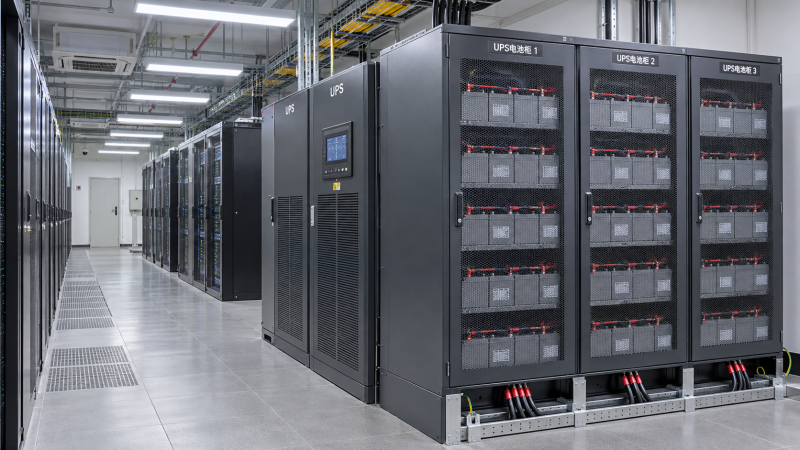
 Sodium-Ion UPS Batteries vs. Lithium-Ion: What Buyers Should CompareSodium-Ion UPS Batteries vs. lithium-ion: compare runtime, safety, compatibility and lifecycle costs to make a confident data center buying decision.Nov 04, 2026