Related Industries
Curation by industry experts
Hot Articles
Popular Tags
Nickel-Cadmium UPS Batteries: Maintenance Costs and Service Life
Nickel-Cadmium UPS Batteries can deliver long service life and resilience in demanding environments, but their value depends on maintenance, integration costs, and disposal obligations.
For most data centers, the decision is not whether nickel-cadmium technology can last longer, but whether that longevity justifies its higher initial investment and operating requirements.
Buyers should compare complete, site-specific costs against competing battery systems while verifying that the proposed cells can deliver the required power throughout their service life.
Are Nickel-Cadmium UPS Batteries Worth Their Cost?
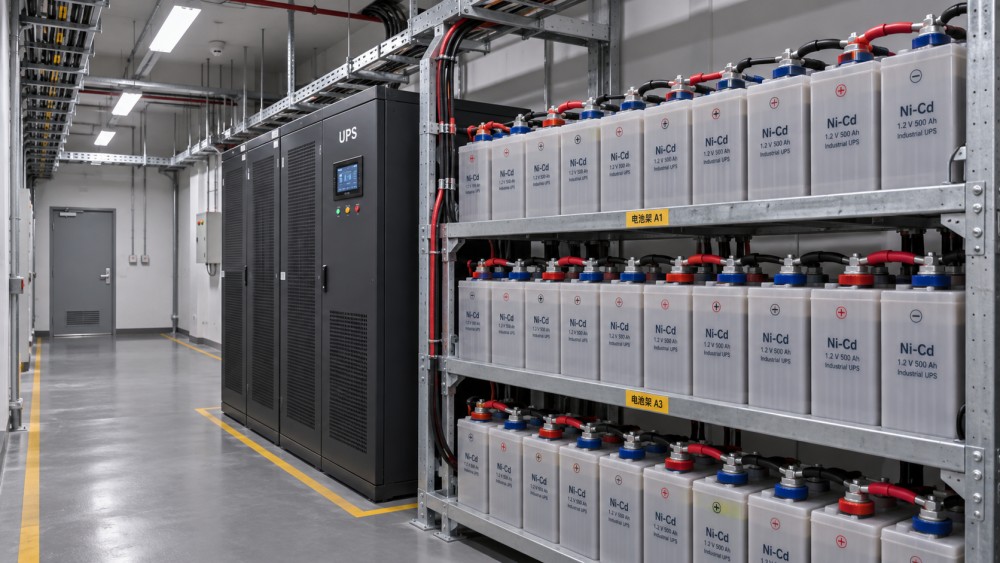
Nickel-cadmium, or Ni-Cd, batteries can be attractive when a facility values long replacement intervals, robust cycling performance, and tolerance of challenging operating conditions.
Those advantages are not free. Initial equipment costs, battery-room requirements, specialist labor, monitoring, and end-of-life handling can change the economics considerably.
A favorable purchase decision therefore requires more than a comparison of battery prices. It requires a defined UPS duty, a realistic maintenance plan, and equivalent quotations.
The business case is strongest when avoiding a battery replacement has substantial operational value, the supplier can support the installation, and the facility can manage its environmental obligations.
It is weaker when a low-maintenance alternative meets the same reliability requirements at lower lifecycle cost, particularly where space or hazardous-material management creates additional expense.
How Long Do Nickel-Cadmium UPS Batteries Last?
Some industrial Ni-Cd products are designed for service lives of 20 years or more under specified conditions. That is a design expectation, not a guarantee.
Actual life depends on cell construction, ambient temperature, charging settings, discharge history, maintenance quality, and the criteria used to determine when replacement is necessary.
Manufacturers may express life as a design life, an expected operating life, or a warranty period. These terms are not interchangeable and should be compared carefully.
For procurement purposes, ask the supplier to state the assumed temperature, charging regime, maintenance schedule, duty cycle, and end-of-life capacity behind its claim.
A battery can remain physically intact while no longer supporting the required UPS runtime. Replacement planning should therefore follow verified performance, not age alone.
Define the acceptance threshold for the application before installation. It should account for the actual load, required autonomy, UPS operating limits, and an agreed aging margin.
What Maintenance Costs Should Decision-Makers Expect?
Maintenance depends on the cell design and manufacturer instructions. Vented cells may require periodic electrolyte checks and distilled or demineralized water additions under prescribed conditions.
Other designs may reduce routine watering requirements, but buyers should not assume that any battery is maintenance-free. Inspection, monitoring, and periodic testing still carry costs.
Budget for trained personnel to inspect cell condition, connections, battery-room equipment, and charging performance. The frequency should reflect manufacturer guidance and site risk.
Connection maintenance can include checking for corrosion, cleaning, and verifying torque where specified. Work on live battery systems requires appropriate electrical safety procedures.
Vented systems also need suitable procedures for electrolyte handling, spill response, and ventilation. Facility costs depend on the battery design and applicable local requirements.
Temperature, voltage, alarms, and charging behavior should be reviewed routinely. Monitoring systems can reduce manual data collection but add hardware, software, and support expenses.
Periodic capacity or discharge testing may require specialist labor, test equipment, and a plan to protect the critical load while the battery is unavailable or recharging.
Include travel charges, emergency response, replacement components, reporting, and training in service quotations. A low annual contract price may exclude consequential testing or corrective work.
There is no reliable universal annual maintenance percentage for Ni-Cd UPS batteries. Obtain a task-based estimate tied to the specific system, location, and service coverage.
How Should Buyers Calculate Total Cost of Ownership?
Compare alternatives over the same analysis period, using the same protected load, runtime, redundancy arrangement, site conditions, and required availability as the starting point.
The initial investment should include batteries, racks or cabinets, installation, shipping, commissioning, protective equipment, monitoring, and any necessary changes to the battery room.
Include UPS and charger compatibility work. A battery with a lower equipment price can become expensive if it requires charger replacement, controls changes, or electrical redesign.
Operating costs should cover inspections, consumables, testing, maintenance contracts, staff training, ventilation energy, and any incremental cooling or space requirements attributable to the battery.
Model replacement timing for each technology rather than assuming that all systems last equally long. Include installation, removal, downtime mitigation, and disposal for each replacement.
Also account for residual obligations at the end of the analysis period. A battery with remaining useful life may still create future removal and recycling costs.
Use discounted cash flow when comparing expenses occurring at different times. State the discount rate, price assumptions, currency, tax treatment, and whether inflation is included.
Test at least three scenarios: the supplier's supported service-life case, an earlier replacement case, and a higher-maintenance case. Show which assumptions change the decision.
For a practical comparison, request vendor quotes that separately identify initial installation, annual service, periodic testing, expected replacements, and end-of-life handling over the chosen period.
Do not assign a precise financial benefit to avoided downtime without evidence. Estimate outage exposure separately and document the probability and business impact assumptions used.
Can the Battery Support the UPS Load Throughout Its Life?
Service life matters only if the battery delivers the required power and runtime when called upon. UPS loads can impose demanding, short-duration discharge conditions.
Ask for sizing calculations based on the actual UPS input requirements, minimum permitted DC voltage, battery temperature, aging allowance, and end-of-discharge characteristics.
Confirm whether the quoted runtime applies to the initial installation or the required end-of-life condition. The distinction can materially affect cell count and project cost.
For AI-oriented facilities, distinguish installed IT capacity from the load protected by each UPS. Include expected expansion and equipment operating profiles in the sizing discussion.
A battery supporting a short bridge to generators has a different duty from one providing extended autonomy. Suppliers should calculate both against the specified load profile.
Check physical space, floor loading, access clearances, fault protection, and maintenance isolation. These requirements can determine whether a technically suitable battery is practical on site.
Compatibility must also cover charging voltage and current, temperature compensation where specified, monitoring, alarm integration, and the UPS manufacturer's approved operating limits.
Do not assume an existing UPS can accept Ni-Cd cells as a direct replacement for lead-acid or lithium-ion batteries. Obtain written approval from the relevant manufacturers.
How Does Ni-Cd Compare With Other UPS Battery Options?
Valve-regulated lead-acid, or VRLA, batteries often have a lower initial equipment cost and an established service ecosystem, but replacement intervals can be shorter under comparable applications.
Lithium-ion systems can offer compact installations and monitoring features, but their economics and operating requirements depend on the complete product, battery management system, and local rules.
Ni-Cd batteries may be attractive where long operating life and tolerance of demanding conditions matter. Their environmental handling requirements and upfront cost can offset those advantages.
Temperature claims deserve particular scrutiny. Even when a product tolerates a wider range, higher operating temperatures can affect performance, maintenance needs, and service life.
Comparisons should use complete systems rather than chemistry labels. Cell design, warranty conditions, thermal management, service response, and supplier support can materially change the outcome.
Request equivalent proposals for the required end-of-life power and runtime. Compare installed footprints, energy consumption, testing procedures, and replacement assumptions before ranking options.
What Environmental and Disposal Risks Need Planning?
Cadmium is hazardous, so battery handling and end-of-life management require particular attention. Obligations vary by jurisdiction and may apply to storage, transport, recycling, and documentation.
Before purchase, identify the rules governing the installation and destination of removed cells. Verify whether permits, notifications, or specific handling arrangements apply to your site.
Ask suppliers to identify qualified collection and recycling partners, provide an estimated cost, and explain how traceability and regulatory documentation will be maintained.
Check whether take-back commitments are contractual, which expenses they cover, and what happens if the original supplier is no longer operating when replacement becomes necessary.
Facility teams should also plan for safe electrolyte handling where applicable. Personal protective equipment, spill controls, and staff training should follow local requirements and manufacturer instructions.
What Should a Procurement Team Ask Suppliers?
Start with a written duty specification covering protected load, minimum runtime, redundancy, operating temperature, expected expansion, and the availability required during maintenance and testing.
Request a documented battery sizing calculation and the manufacturer data supporting it. Require suppliers to identify assumptions about aging, discharge rate, and end-of-discharge voltage.
Ask for a maintenance schedule covering inspections, watering where applicable, testing intervals, consumables, staffing qualifications, and tasks excluded from the proposed service agreement.
Obtain warranty terms in full, including duration, capacity criteria, exclusions, remedies, and the maintenance records needed to support a claim. A warranty is not a service-life promise.
Confirm local parts availability, technician coverage, response times, and escalation arrangements. A long-lived battery is less valuable if the supplier cannot support it throughout operation.
Finally, require a commissioning and acceptance plan with baseline measurements, alarm checks, documentation, and an agreed procedure for verifying performance before handover.
When Does Ni-Cd Make Business Sense?
Nickel-cadmium UPS batteries merit serious consideration for facilities seeking long replacement intervals and a battery design suited to documented site conditions and operating practices.
They are less compelling when the organization cannot support the required maintenance, lacks an appropriate installation space, or faces disproportionate environmental handling costs.
The strongest decision is based on equivalent engineering designs and a transparent lifecycle model. Validate the runtime, price the service plan, and document the disposal route.
If Ni-Cd remains competitive under conservative lifespan and maintenance assumptions, its longevity may justify the investment. Otherwise, choose the alternative that better meets the facility's requirements.
Questions about data center smoke detection standards? Contact RackLedger for further insights.
We respect your privacy. Your information is strictly confidential.
Recommended News
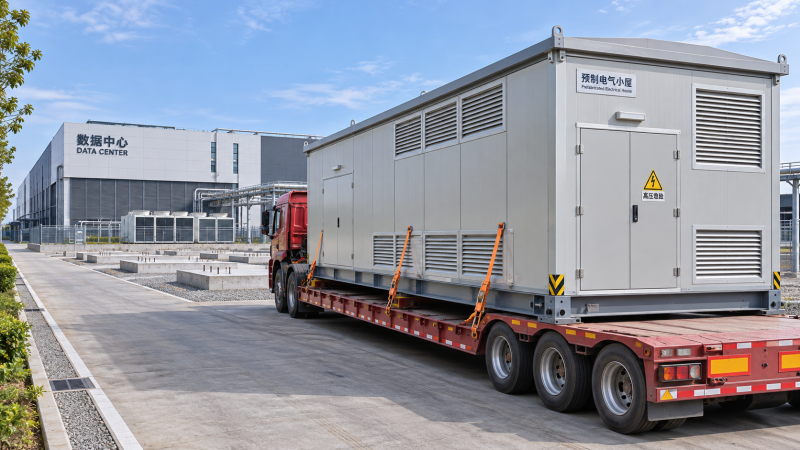
 Electrical House Substations: Budgeting for Transport and InstallationElectrical House Substations: Discover how to budget for transport, installation and commissioning, compare bids and avoid costly project surprises.Nov 04, 2026
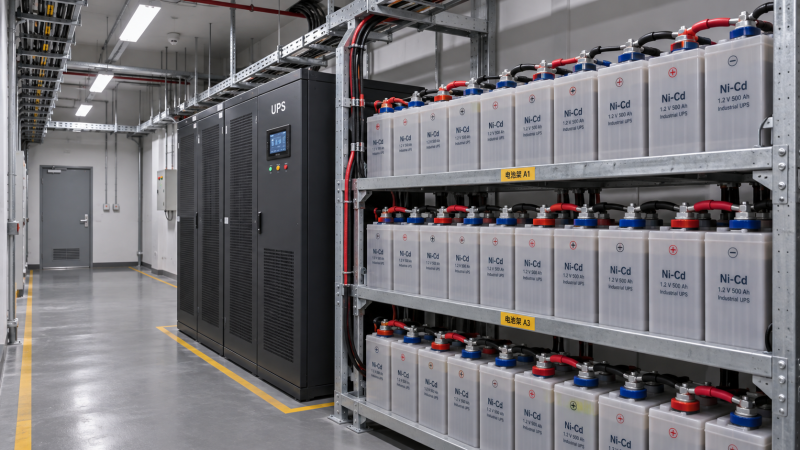
 Nickel-Cadmium UPS Batteries: Maintenance Costs and Service LifeExplore Nickel-Cadmium UPS Batteries, from maintenance costs and service life to disposal requirements, and find out if they’re worth the investment.Nov 04, 2026
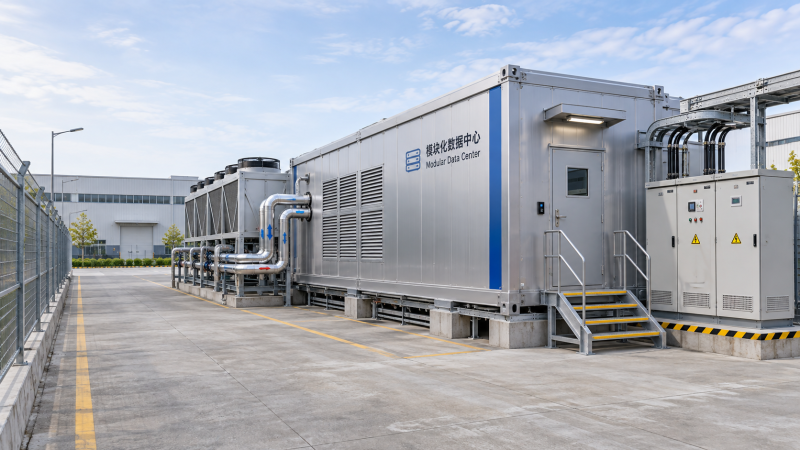
 How energy use affects prefabricated data center lifecycle costPrefabricated data center lifecycle cost depends on energy use, tariffs and workload. Learn how to compare options and make a stronger investment decision.Nov 04, 2026
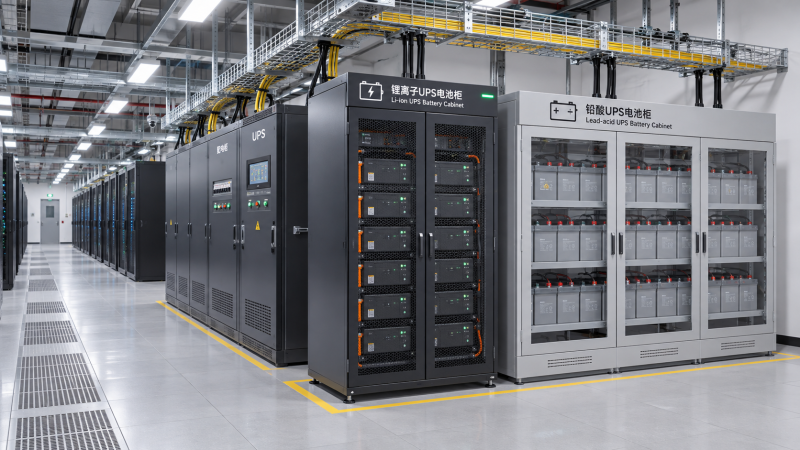
 Lithium-Ion UPS Batteries: Lifetime Cost Compared With Lead-AcidLithium-Ion UPS Batteries vs. lead-acid: compare lifetime costs, replacement needs, maintenance, and retrofit risks to make a smarter investment.Nov 04, 2026