Related Industries
Curation by industry experts
Hot Articles
Popular Tags
Lithium-Ion UPS Batteries: Lifetime Cost Compared With Lead-Acid
Lithium-Ion UPS Batteries often cost more to purchase than lead-acid alternatives, but the initial quote tells only part of the story. Over the life of a data center or enterprise facility, battery replacements, maintenance, energy use, floor space, and service interruptions can change the economic picture. The right comparison is not simply the price of two battery cabinets; it is the cost of delivering the required backup performance over the period the business expects to operate them.
For decision-makers, that distinction matters because a lower capital request today may create a larger replacement project later. Equally, a premium battery system will not necessarily pay for itself if the facility closes early, the service contract is expensive, or the existing UPS requires extensive modification. A procurement model needs to make those assumptions visible before a technology is selected.
What should a lifetime cost comparison include?
A useful total cost of ownership, or TCO, calculation follows both options across the same analysis period. It starts with a common operating requirement: the supported load, required autonomy, site conditions, redundancy arrangement, and acceptable maintenance procedures. Comparing two quotes without matching these conditions can make the cheaper system look more attractive simply because it provides less usable backup or excludes work included in the other quote.
Include the following cost categories for each option:
- Initial supply and installation: Batteries, cabinets or racks, protection devices, monitoring, freight, installation, testing, and commissioning.
- UPS integration: Compatibility assessment, charging settings, communications, firmware, controls, and any necessary modifications to the existing system.
- Maintenance and service: Inspections, testing, monitoring subscriptions, service response, spare parts, and staff training.
- Replacement: New equipment, labor, temporary backup arrangements, recommissioning, removal, and disposal or recycling.
- Facility impacts: Electrical losses, cooling requirements, structural work, and the economic value of occupied space where relevant.
- End-of-period value: Residual value, removal costs, or remaining service life, using assumptions that are consistent across both options.
For a financial comparison, estimate when each cost will occur and discount future cash flows using the organization’s approved rate. Show undiscounted costs as well: the finance team may want present value, while the operations team needs to know when a replacement budget and maintenance window will be required.
Where the two technologies tend to differ
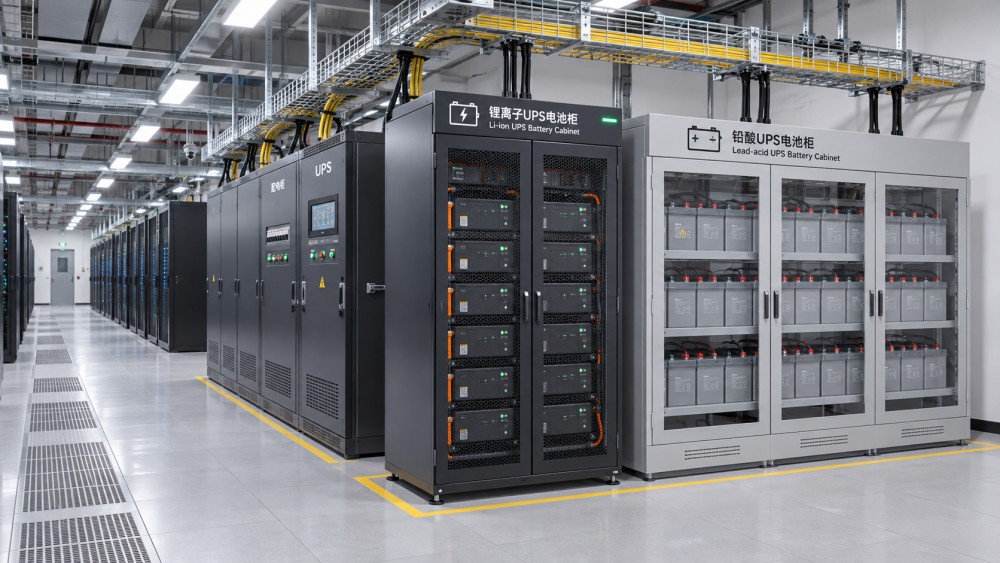
These are tendencies, not guarantees. “Lead-acid” covers different designs, including valve-regulated lead-acid batteries commonly used in UPS systems. Lithium-ion systems also differ in cell chemistry, cabinet design, management controls, and service support. The relevant evidence is the documentation for the proposed system under the conditions at the site.
Battery life is valuable only when the assumptions hold
Replacement is often the largest reason lithium-ion enters a lifetime cost discussion. If a facility plans to operate the same UPS installation for many years, avoiding one or more battery replacement projects can offset some of the initial premium. The saving includes more than new batteries: it may also include labor, removal, testing, and the operational effort required to maintain backup coverage during the work.
But design life, warranty period, and actual service life are not interchangeable. Battery aging depends on factors such as temperature, time at charge, discharge frequency, depth of discharge, charging behavior, and the end-of-life capacity threshold. A battery that still operates may no longer provide the autonomy required for the protected load.
Ask suppliers to state the expected service life for the proposed temperature and duty profile, the capacity assumed at end of life, and the evidence supporting those estimates. A warranty should be read separately: it may contain exclusions, operating limits, inspection requirements, or a remedy based on the remaining warranty period rather than the full cost of restoring service.
For a facility with frequent utility disturbances, model the expected discharge pattern as well as calendar aging. For a site with stable power and a short remaining lease, a long advertised life may have little financial value. If the analysis period ends before a scheduled replacement, do not charge that replacement to the project without explanation.
A practical way to test the business case
Build a year-by-year cost schedule for both options. Keep the protected load, runtime, redundancy, installation boundary, and analysis period identical. Then add each expected expense in the year it occurs. A simple comparison can be expressed as:
Lifetime cost = initial installed cost + present value of operating, maintenance, and replacement costs − present value of any defensible residual value.
Consider a hypothetical procurement in which lithium-ion has the higher installed price, while lead-acid requires a battery replacement during the analysis period. The lithium-ion premium is justified on cost grounds only if the present value of avoided replacements and other quantified savings exceeds that premium, after adding any extra integration, monitoring, insurance, or service costs. This is a decision framework, not a forecast of which option will win.
Run at least three scenarios: the base case, an earlier-than-expected lead-acid replacement, and a shorter-than-expected lithium-ion service life or higher service cost. Also test a shorter facility occupancy period. If the result changes with a small adjustment to any one assumption, treat that assumption as a procurement risk rather than presenting a single savings figure as certain.
Be careful with energy and space savings
UPS system efficiency and facility cooling costs can affect the comparison, but battery chemistry alone does not establish the saving. Request losses for each complete proposed configuration at relevant load and operating conditions. Avoid applying a published UPS efficiency figure to battery losses unless the measurement boundary supports it.
The same discipline applies to footprint. A smaller battery installation can be valuable in a constrained electrical room or an expensive expansion. Yet unused floor area is not automatically a cash saving. Identify whether it avoids leased space, construction, structural reinforcement, or a capacity constraint. If none applies, record the operational benefit without assigning it an unsupported monetary value.
Retrofit or new build? The answer can change the economics
In a new facility, designers may be able to account for battery footprint, floor loading, cooling, fire protection, and access from the outset. That creates an opportunity to assess the complete design rather than fitting a battery into an existing room. Even then, a smaller battery cabinet should not be assumed to eliminate other electrical or life-safety requirements.
For an operating data center, installation risk can be more consequential than cabinet price. A lithium-ion retrofit may require confirmation that the UPS supports the battery’s voltage range, charging profile, protection scheme, and communications. The battery management system, UPS controls, and site monitoring must work together as an approved configuration. A supplier’s statement that a battery is “UPS compatible” is not a substitute for confirmation against the specific UPS model and configuration.
Replacement with a comparable lead-acid system may reuse more of the existing infrastructure, but it still needs an engineering review. Check available fault current, protection coordination, ventilation where applicable, floor condition, access routes, and the condition of cables and cabinets. In either case, establish how the protected load will remain supported during removal, installation, and commissioning.
What to request before comparing supplier quotes
Issue a common scope of work so each bidder prices the same outcome. At a minimum, provide the protected load profile, required runtime and end-of-life performance, expected ambient conditions, redundancy requirements, installation constraints, and intended operating period. Ask for exclusions in a separate, visible section.
- Performance evidence: Runtime and capacity calculations for the proposed configuration, including aging assumptions and relevant operating conditions.
- Integration details: Written confirmation of compatibility with the named UPS, required settings, communications interfaces, and responsibilities for commissioning.
- Service terms: Inspection and testing schedules, monitoring charges, response coverage, parts availability, and responsibilities after an alarm or failed test.
- Safety and site requirements: Applicable code and authority requirements, manufacturer installation instructions, emergency procedures, training, and any site-specific fire protection or ventilation work.
- Commercial transparency: Currency, taxes, freight, installation, replacement pricing assumptions, warranty exclusions, and removal or recycling responsibilities.
- Acceptance criteria: The tests, documentation, alarm checks, and sign-offs needed before the system is handed to operations.
Safety and insurance requirements can vary by jurisdiction, building configuration, battery design, and insurer. Engage the relevant engineers, authority having jurisdiction, and insurer early enough to identify required work before finalizing the budget. Do not assume that either chemistry is exempt from site-specific review.
Choosing on value, not just battery price
Lithium-Ion UPS Batteries may be the stronger financial choice where the facility has a long operating horizon, replacement work is disruptive, or space and weight constraints have a demonstrable cost. Lead-acid may remain attractive when upfront capital is constrained, the installation is temporary, or a straightforward replacement uses existing infrastructure without significant modification.
The most useful outcome is not a universal winner. It is a comparison that shows when money is spent, what performance is being purchased, and which assumptions carry the decision. Before approving a bid, ask the supplier and facility team to agree on the replacement plan and the conditions behind it. That discussion often reveals more about the true lifetime cost than the first page of the quotation.
Questions about data center smoke detection standards? Contact RackLedger for further insights.
We respect your privacy. Your information is strictly confidential.
Recommended News
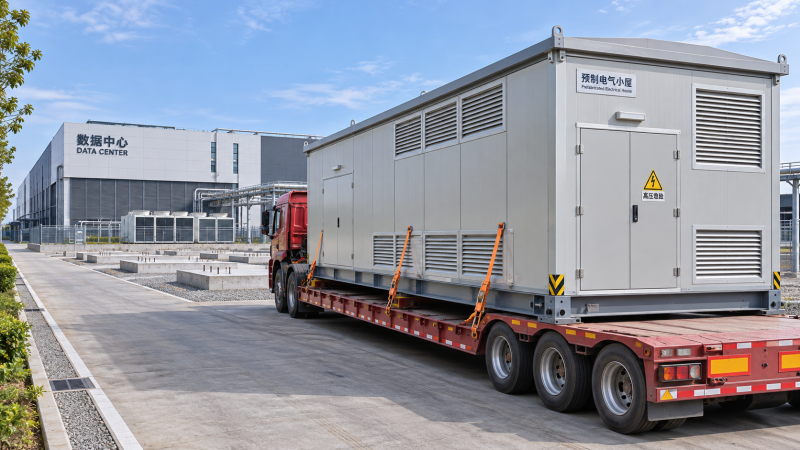
 Electrical House Substations: Budgeting for Transport and InstallationElectrical House Substations: Discover how to budget for transport, installation and commissioning, compare bids and avoid costly project surprises.Nov 04, 2026
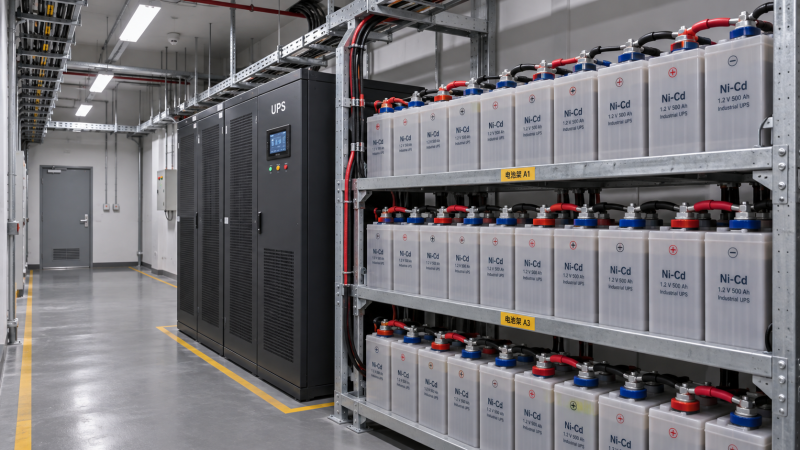
 Nickel-Cadmium UPS Batteries: Maintenance Costs and Service LifeExplore Nickel-Cadmium UPS Batteries, from maintenance costs and service life to disposal requirements, and find out if they’re worth the investment.Nov 04, 2026
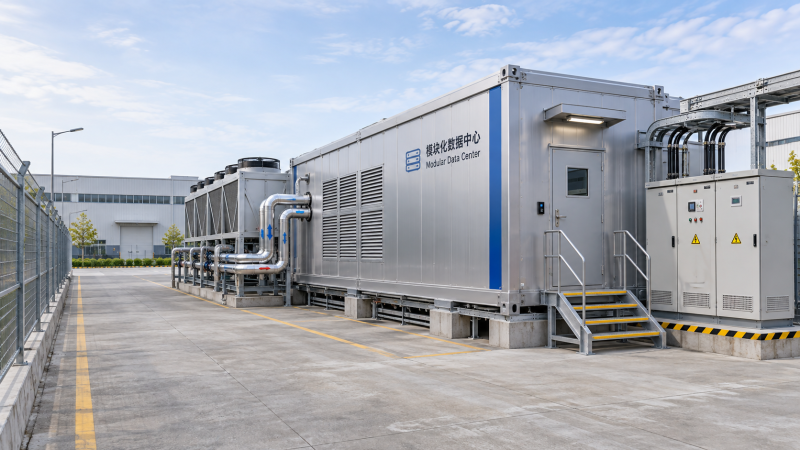
 How energy use affects prefabricated data center lifecycle costPrefabricated data center lifecycle cost depends on energy use, tariffs and workload. Learn how to compare options and make a stronger investment decision.Nov 04, 2026
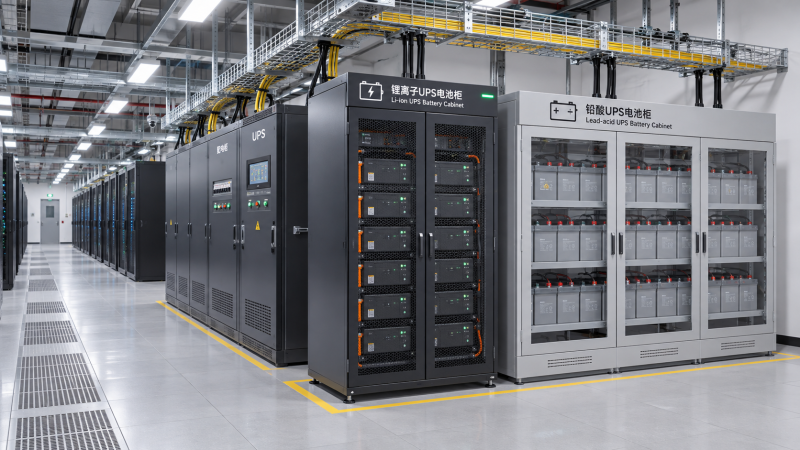
 Lithium-Ion UPS Batteries: Lifetime Cost Compared With Lead-AcidLithium-Ion UPS Batteries vs. lead-acid: compare lifetime costs, replacement needs, maintenance, and retrofit risks to make a smarter investment.Nov 04, 2026